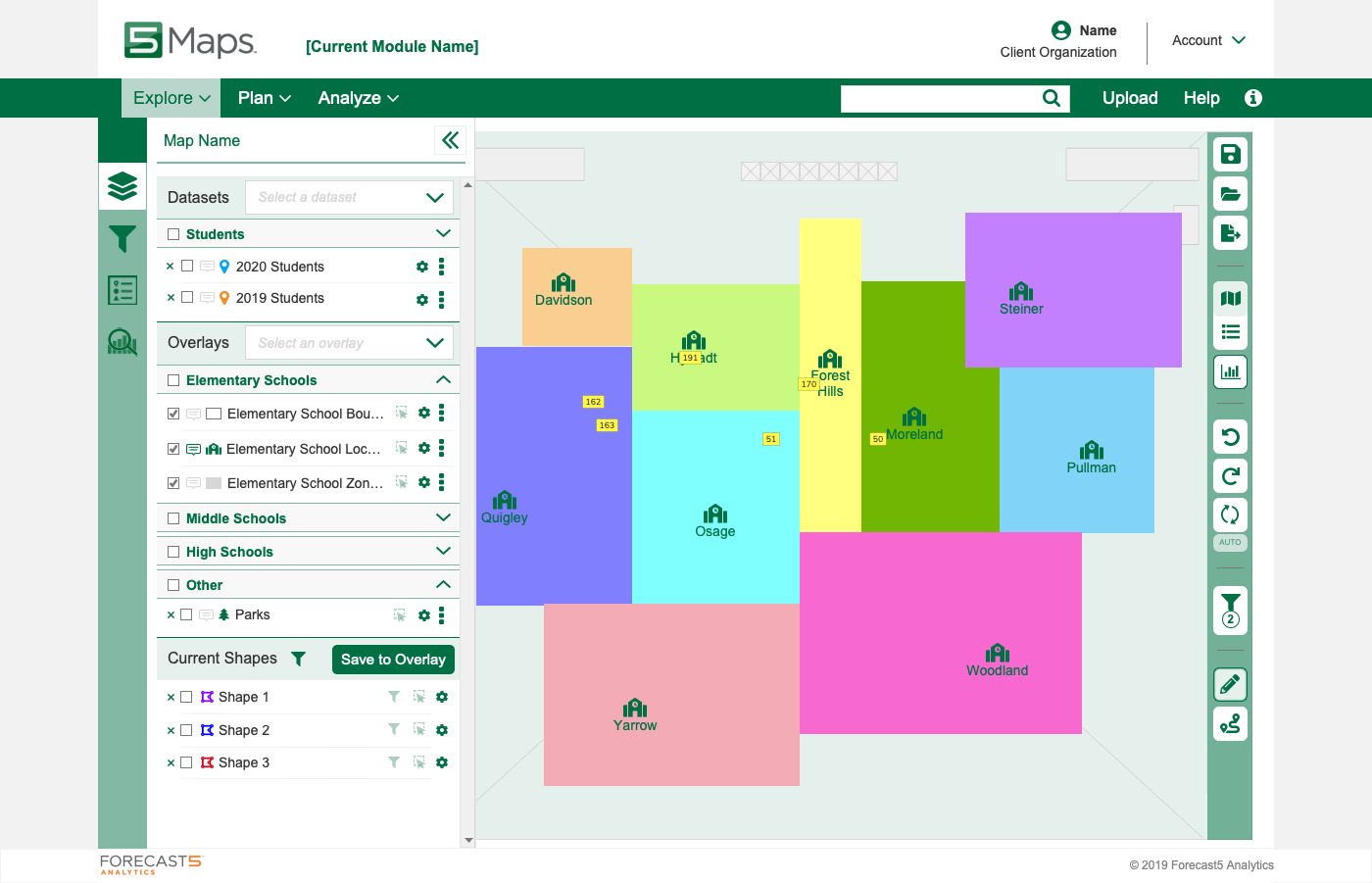
Reducing Friction for Better Adoption

Merging two digital mapping applications

The Problem

Our company had an established SaaS data analytics mapping application used primarily by public school districts. We acquired another company that also had an established mapping application, but with some different features. Rather than keep two separate applications, we wanted to combine the functionality of the two without losing customers of either.

Discovery Research

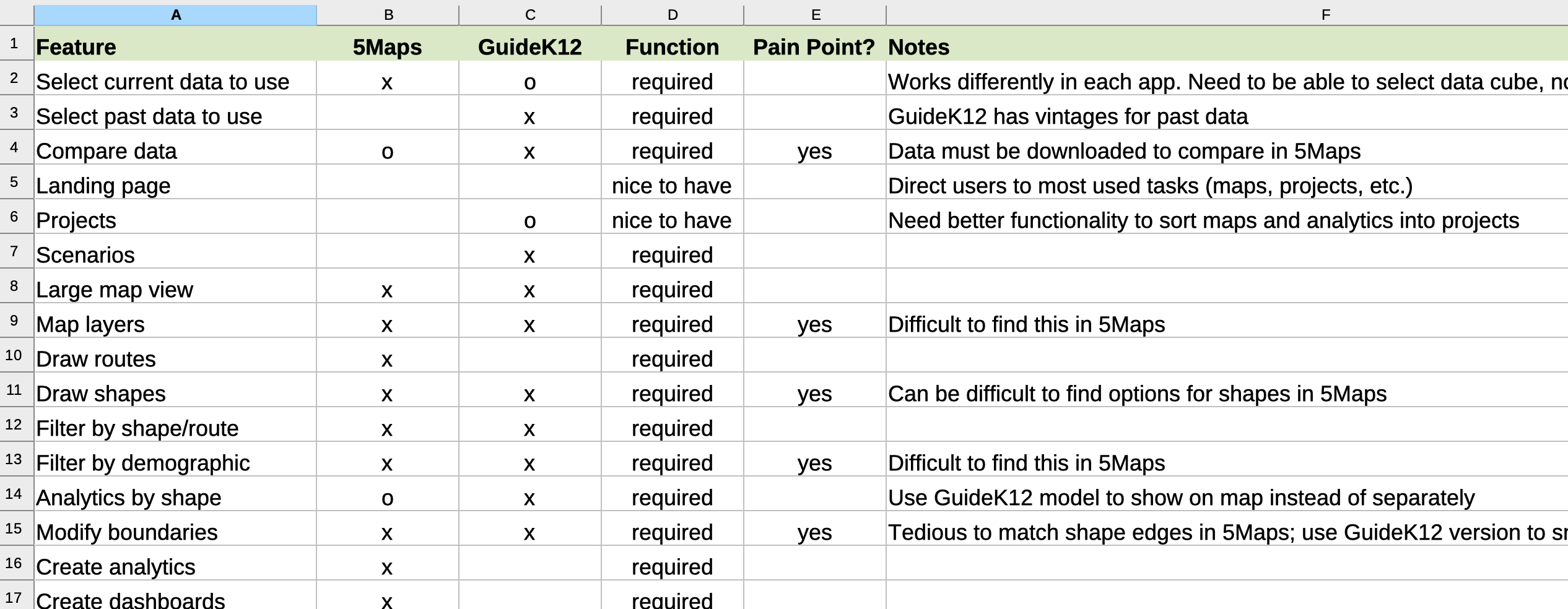
I held a kickoff meeting with the new product owner, lead developer, and subject matter experts from both products to understand the needs of each client base. We reviewed existing functionality and came up with a list of features that either needed to be added to 5Maps, or existed in 5Maps and needed to be updated. We also discussed pain points for current users in both products.

Based on that initial discussion, we identified a workflow and the pages needed to accomplish the most popular tasks and set that as our MVP goal.

Basic sketched flow for an application Matrix of features, pain points, and notes

Design Sprints

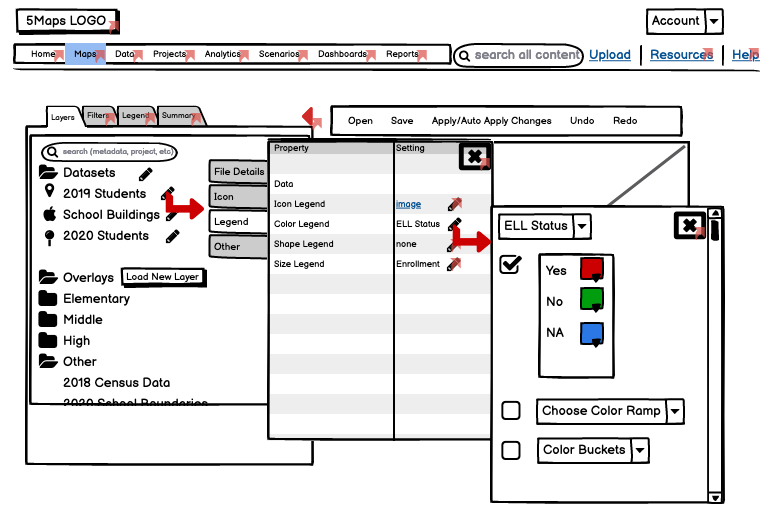
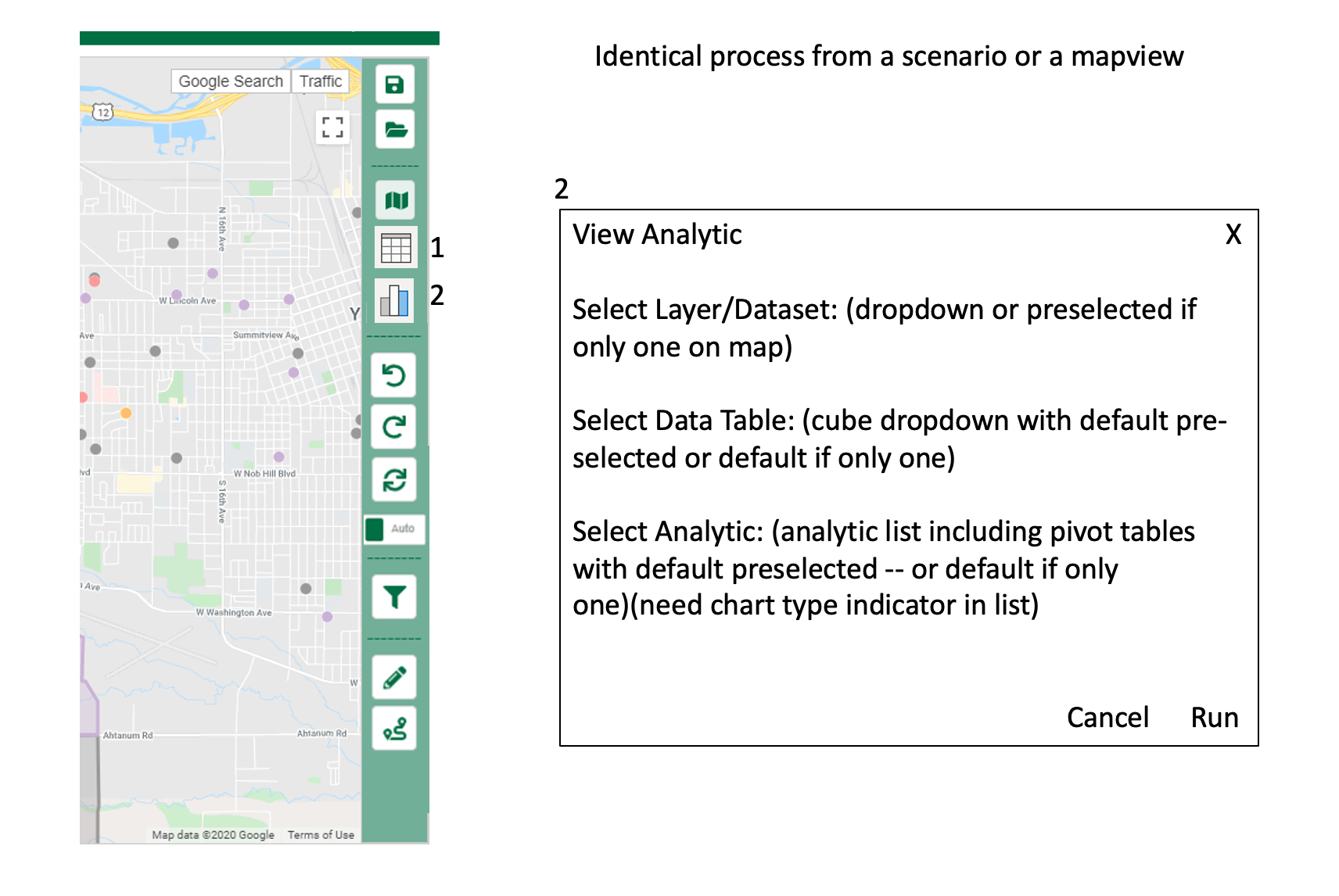
The core group of lead developer, product owner, and myself met twice weekly to review ideas and iterations, with a subject matter expert (SME) present for the topic being discussed as well. Because these meetings were held online over Zoom, and sketching and sharing could be time-consuming, the product owner or SME would typically have either sketched out an idea for discussion or brought an example from a competitor. We would discuss those as a group to ask questions related to our clients needs, determine feasibility, and discuss what it might look like in 5Maps.

I created wireframes over the next two days based on our discussions that we would review at the next meeting. When we had completed a workflow for a particular task, I would add it to our prototype and test internally with users familiar with our clients and their tasks. They would work through real-world examples and provide feedback for continued iteration.

Working only through Zoom was new to all of us, so it did require some additional effort to make sure we planned out the design sprints in a way that made sense for development as well as design. However, once we settled into a rhythm for our meetings, work progressed relatively quickly.

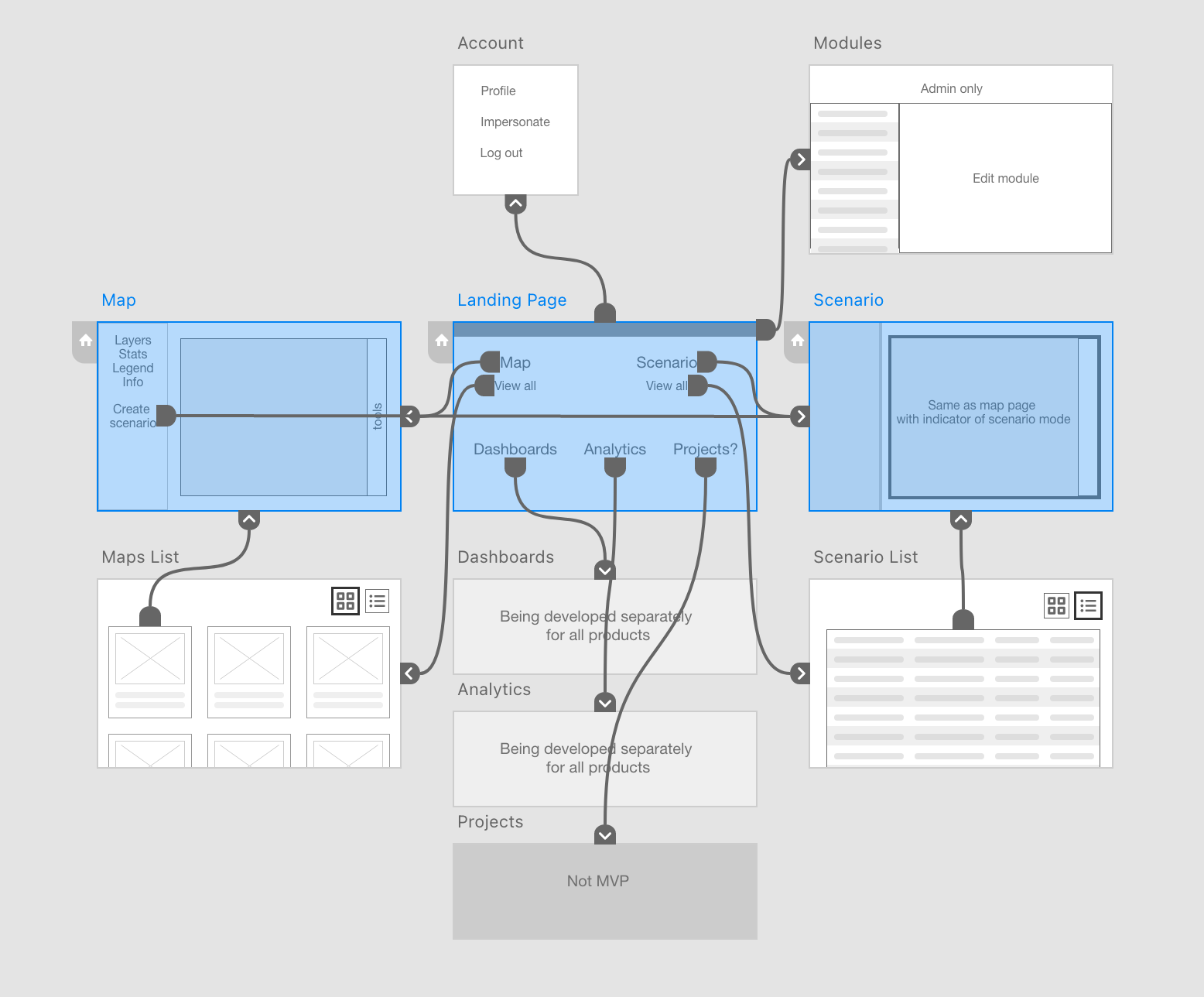
Design sprint: proposed idea from a SME Design sprint: suggested design from the product owner Iteration of map view Iteration of a map view with a scenario

Development

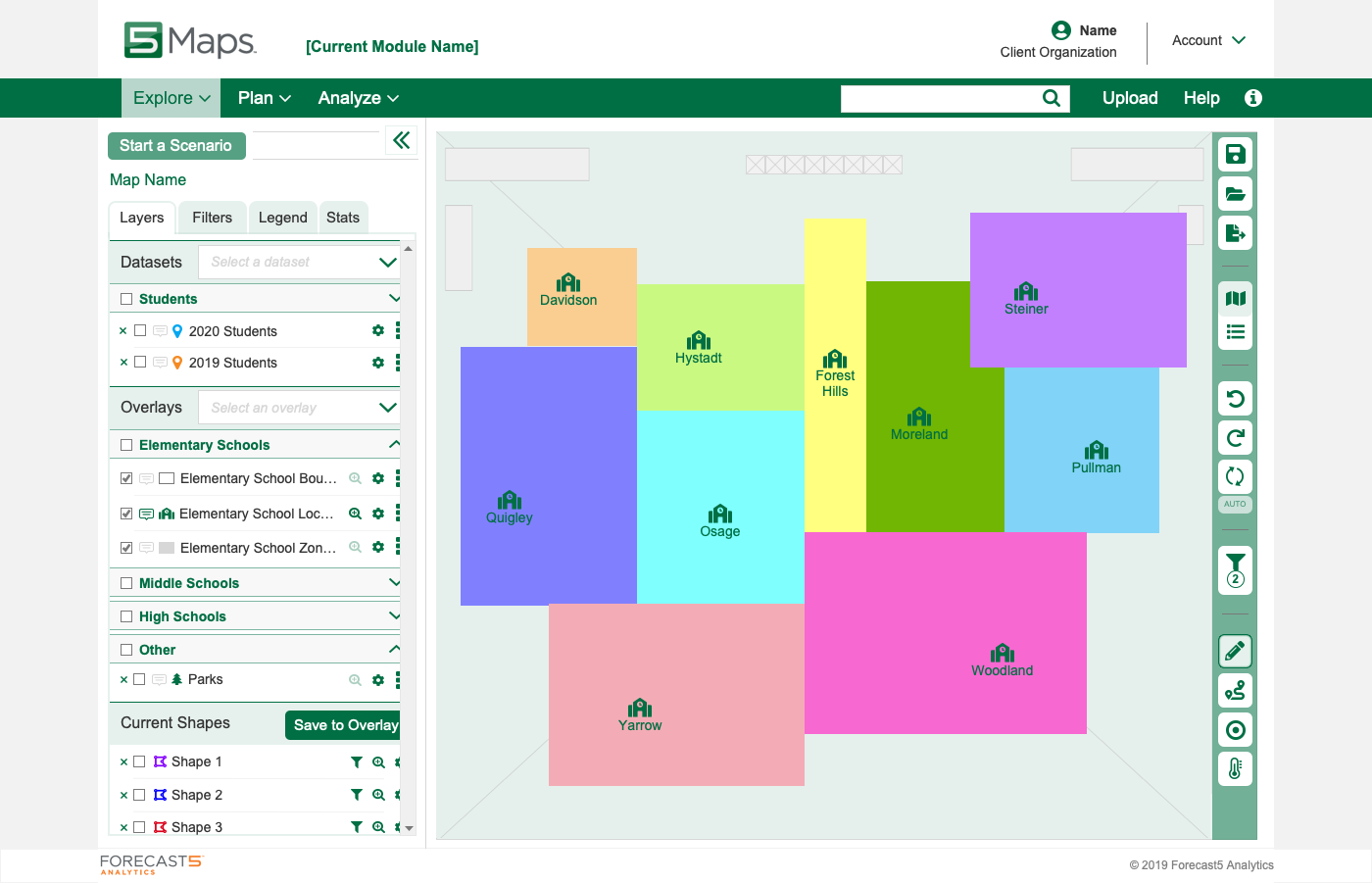
Because we went through our topics systematically, beginning with the most important functionality and pages, I was able to deliver annotated wireframes to development regularly so they could work as we continued to design. Additionally, because the lead developer was involved in all of the design discussions, we headed off most potential issues related to development time and feasibility early on, resulting in a quicker application development process overall.

Annotated wireframe for development

Results

We released the MVP version of the new 5Maps to a select group of clients from both customer bases, and continued to iterate on the nice-to-have features. By showcasing this improved version of the software at our yearly conference, we exceeded our business plan for client migrations to the new software (which had a higher price point), and increased year-over-year client retention as well.

back to list